


Today we arrived in Seville. Leaving some chilly, overcast wether on the coast, we arrived in the mild and sunny Andalusian Capital City in time for tapas!
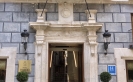
We’re staying at the Alfonso XIII Hotel, part of Starwood’s fancy Luxury Collection.
This magnificent landmark hotel has recently undergone a total restoration, elevating its status to a world-class property, a decadent address for a long luxurious weekend.
Opened in 1929 for the Ibero-American Expo, the 5 star Hotel Alfonso XIII celebrates Andalucía’s Moorish heritage in the style of a genuine European Grand Hotel. Its striking Neo-Mudéjar architecture echoes other grand buildings constructed for this world fair, including the nearby Plaza de España, the towers of which mark the city skyline.
This world fair represented a modern renaissance for Seville, with the construction of trade pavilions (which are now used by international embassies), and the photogenic ‘Plaza de España’, that has since appeared in a number of movies from Lawrence of Arabia to Star Wars.
Although now a Starwood Luxury Collection property, the Alfonso XIII Hotel is still owned by the town hall so non-residents can enjoy access to the grand lobby, and exquisite courtyard to catch a glimpse of the wonderful Neo-Mudéjar architecture that echoes Andalucía’s Moorish past. If one is feeling flush, then check into a suite in this newly restored hotel. High ceilings with ornate cornices; striking super king size beds with high
thread count linens, art and antiques, and a view across the city skyline make it a very posh experience.

This is the lavish Seville of the 1920s. Stepping inside the spacious lobby, one is transported to a bygone era.

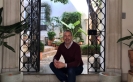
Beyond is the large, open Andalusian patio, decorated with scented orange trees and with a classic Moorish fountain at its centre.

Enjoy a leisurely breakfast here, reading the international press, or later take afternoon tea. In the evenings the terrace is part of the hotel’s
formal, fine-dining San Fernando Restaurant. The upscale menu includes the famous Sirloin Wellington, said to be King Alfonso XIII favourite dish.
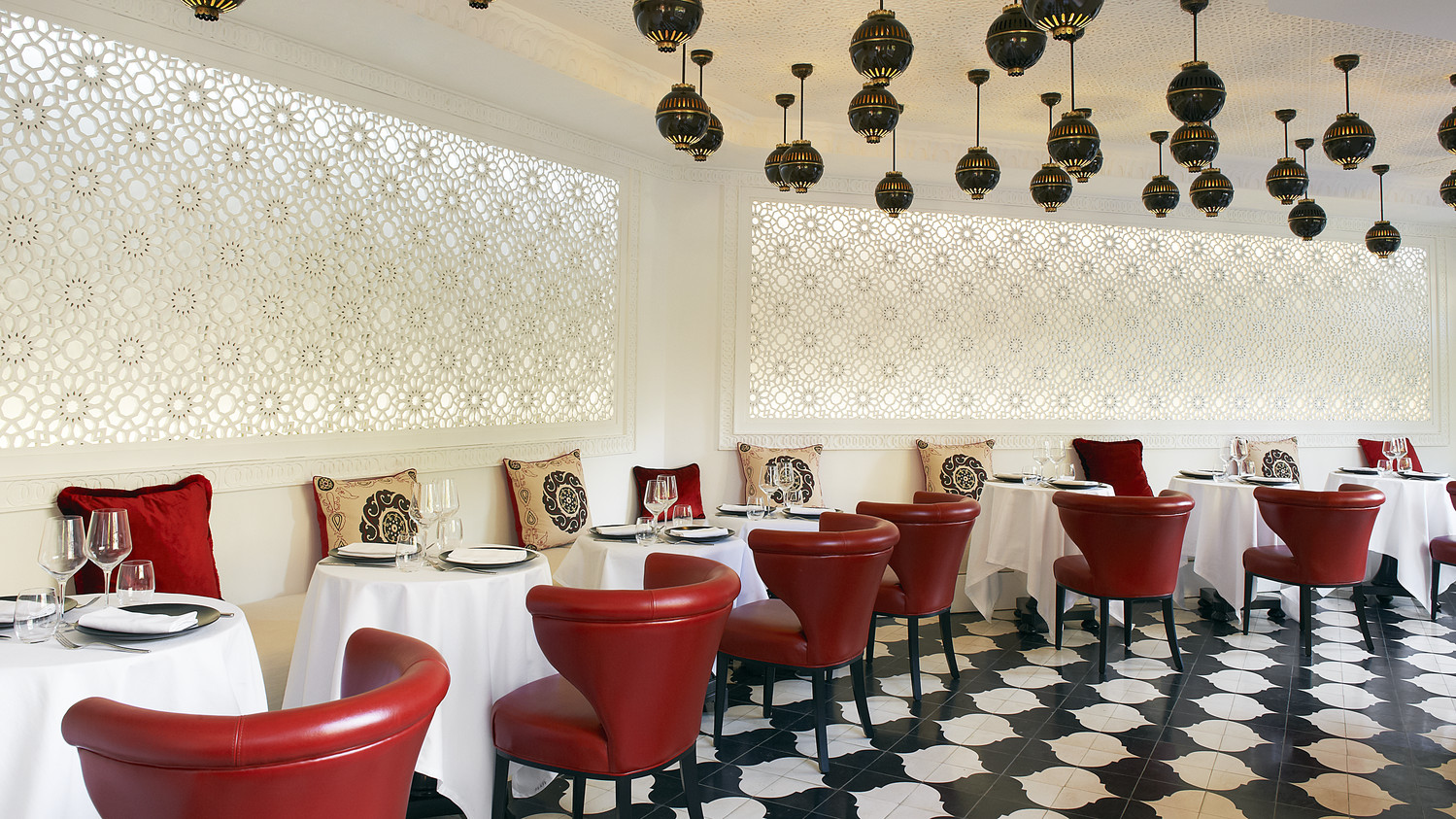
For something more informal but no less elegant, try the Taifas Restaurant set in the pool gardens. Striking design sets the scene for tempting Mediterranean and North Africa cuisine, like stone baked pizzas, lamb kebabs or classic Andalusian salmorejo.
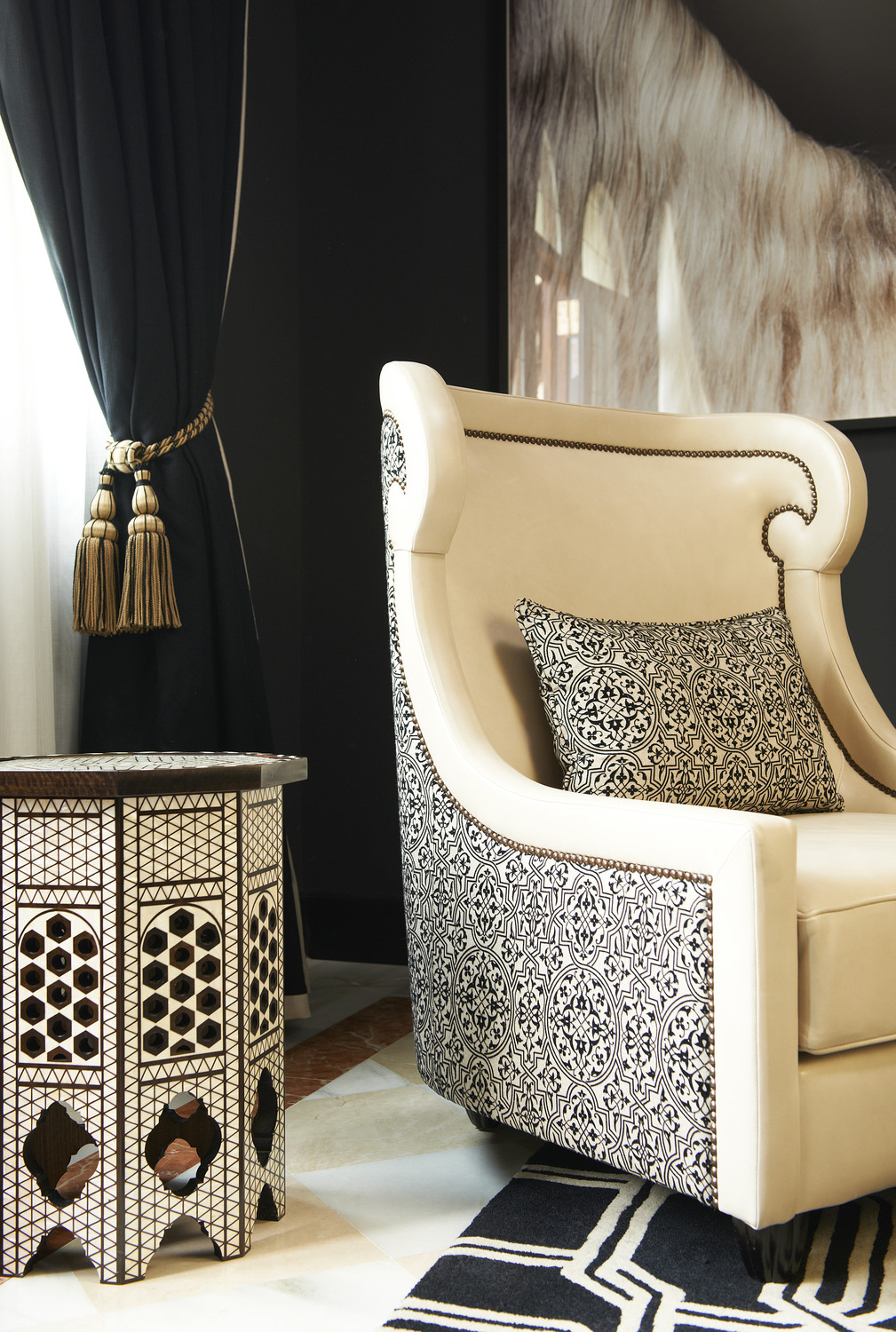
Guest suites are flawless, with immaculatebvintage decor, soft luxurious linens, and spacious, updated bathrooms with rain forest showers and indulgent amenities. We were spoiled as we had one of the few suites that have a huge roof terrace looking out across the city.


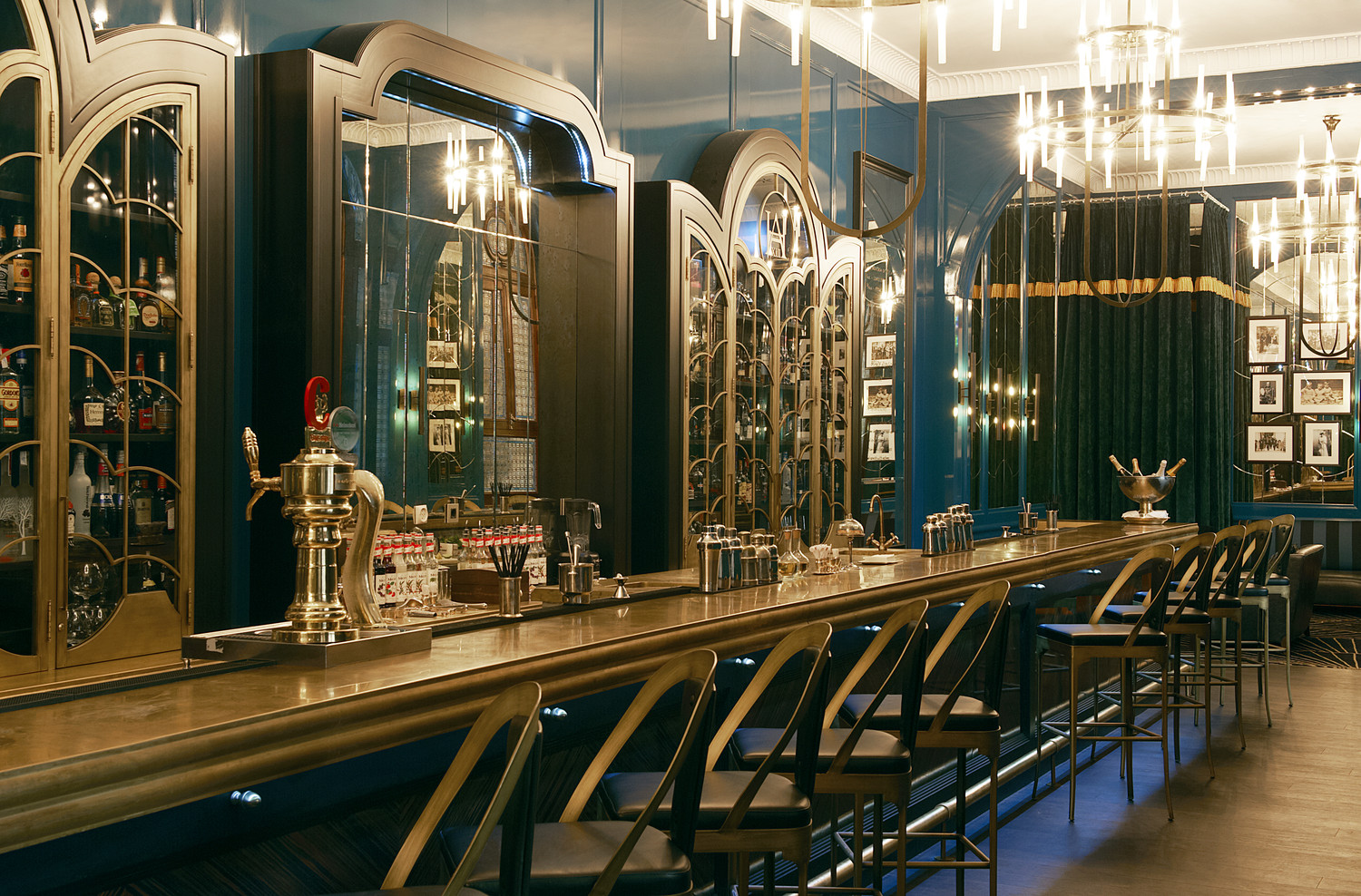
A drink in the hotel’s American Bar provides a moment to savour the atmosphere of this wonderful building. Sipping a signature martini, prepared by one of talented mixologists, is the perfect opportunity to people watch amongst the movers and shakers of this capital city.
Home to the greatest ‘Semana Santa’ Easter celebrations in the nation and a local culture steeped in flamenco and bullfighting, a visit here
is to be intoxicated by all things Andalusian.
Following the success of Christopher Columbus’ voyages, Seville was awarded the Royal monopoly of trade with the new Spanish colonies.
Inevitably this led to a Golden Age for Seville in the fifteenth and sixteenth centuries. Immense wealth was accumulated, creating the stunning city we see today.
As with the rest of Andalucía, the Romans and the Moors also left a lasting impact. Seville’s huge Gothic and Medieval cathedral incorporates the original minaret from the Mosque that it replaced. It is now the Giralda tower complete with Christian bell tower, but its original architecture is undeniable.
The heart of the city on the banks of the River Guadalquivir, is relatively compact, so it is easily explored on foot, or one can take a
‘tricicleta’, one of the new designer rickshaw taxis. The city’s impressive architectural and historical sites, including the Alcazar Arab fort, the Torre de Oro watchtower, and Maestranza bullring can fill a guide book, but of particular note are both the Plaza de España and the ‘Metropol Parasol’.
Built less than a century ago for the same world fair at the Alfonso Hotel XIII, Plaza de España’s crescent structure is a pastiche of Moorish architecture. It features tiled alcoves along the base of the building, each depicting in beautiful painted ceramics the individual provinces of Spain. The Plaza has recently been fully restored and the ceramic work is wonderful.We can see its towers from our room.

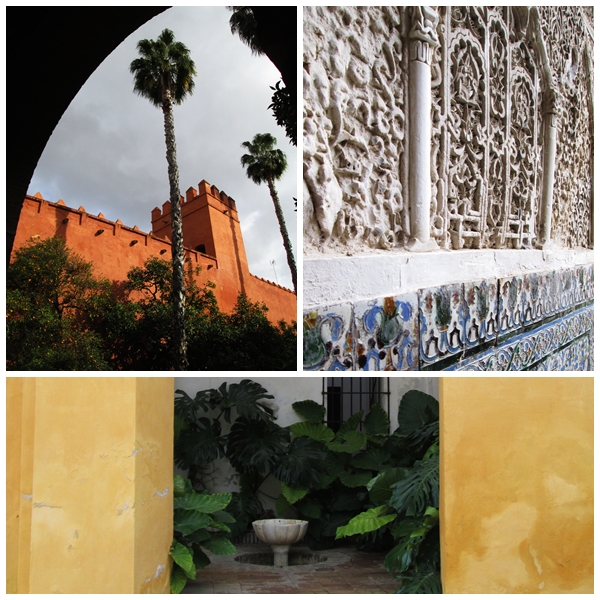
The Alcazar Arab is certainly on the well trodden tourist trail but worth it!



Share this:






Leave a Reply